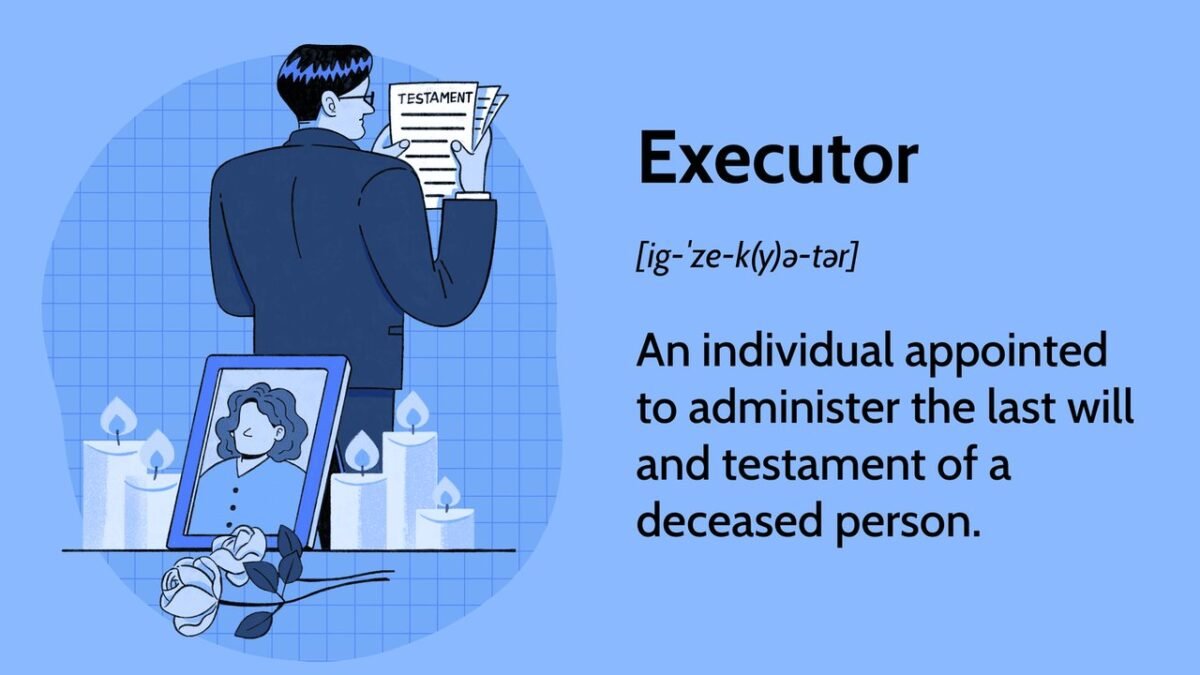
Understanding what an executor does, and how long an estate really takes, can spare a grieving family considerable frustration. An executor does not simply read the will and hand over the assets. Deceased estate administration in South Africa involves establishing authority, identifying property, dealing with creditors, addressing tax and accounting for the proposed inheritance before distribution.
For families, the delay can feel deeply personal. There may be a home to maintain, school fees to pay or a surviving spouse who depended on the deceased’s income. The estate process continues alongside those immediate needs, sometimes at a pace that feels difficult to understand.
Knowing the stages helps heirs distinguish necessary work from avoidable delay. It also makes it easier to ask the executor useful questions and receive answers that explain what is happening.
Step 1: Report the estate and obtain authority
The first task is to report the deceased estate to the appropriate Master’s office. South African government guidance states that an estate must generally be reported within 14 days of death. Reporting starts the administration process. It does not mean that the estate will be ready for distribution shortly afterwards.
Families should begin gathering the death certificate, original will, identification documents, relevant marriage documents and information about assets and liabilities. Incomplete paperwork can delay the appointment before the executor has even begun the main administration work.
Being named in the will is not the same as being appointed
A will may nominate someone as executor, but that nomination does not itself give the person authority to administer and distribute the estate. The Master must issue the appropriate appointment.
For estates requiring full administration, this generally takes the form of letters of executorship. Qualifying smaller estates may instead be administered by a representative appointed under letters of authority, following the Master’s directions. The Department of Justice explains the distinction in its guidance on reporting deceased estates.
This distinction matters when relatives begin discussing who should receive a vehicle, withdraw savings or sell the family home. Agreement among family members cannot replace the required authority.
Step 2: Secure and identify the estate
Once appointed, the executor needs a reliable picture of the deceased’s financial affairs. That picture is often more complicated than the family expects.
A person may have several bank accounts, an investment opened years earlier, shares in a business, outstanding loans or property owned with someone else. Records may be scattered across paper files, email accounts and financial institutions.
A practical starting checklist includes:
- Bank accounts, savings and investments.
- Property, vehicles and other valuable possessions.
- Business interests and money owed to the deceased.
- Loans, accounts and other outstanding obligations.
- Insurance policies, retirement benefits and relevant contracts.
The executor must establish ownership and investigate how each asset or benefit should be handled. Families should avoid assuming that everything associated with the deceased is available for immediate division.
Protecting assets is part of the work
An empty property may need attention. A vehicle may need secure storage. Valuable items should be recorded so that there is a clear account of what existed and where it is kept.
Relatives can help by supplying documents, identifying assets and reporting urgent concerns. They should also keep a written record if they already hold any of the deceased’s belongings.
Consider a family home with an outstanding bond. Knowing that the deceased owned the house tells the executor only part of the story. The title information, loan balance, insurance arrangements and wishes expressed in the will all need to be investigated.
That work may produce little visible activity for heirs, but it is essential to understanding what the estate can ultimately distribute.
Step 3: Deal with creditors and cash flow
An inheritance is calculated after the estate’s obligations have been addressed. The balance shown in a bank account is therefore not necessarily the amount available to beneficiaries.
In a full estate administration, the executor publishes a notice inviting creditors to submit claims. The Master’s guidance describes a 30 day claims period. The executor must then assess claims and establish what the estate owes.
This is one reason immediate distribution is risky. Money paid out too early may later be needed to settle an obligation that was not yet known.
An estate can own valuable assets and still lack cash
A house, vehicle and business interest may give an estate substantial value without providing enough available money to pay its expenses.
The executor therefore needs to examine cash flow. If available funds are insufficient, a sale or another lawful arrangement may be necessary. Families who hope to retain a particular asset should raise that concern early so that the available options can be considered.
For example, a beneficiary may expect to inherit a property but overlook the estate’s unpaid debts and administration expenses. The executor needs to establish how those amounts will be funded before promising that the property can be transferred intact.
Tax must also be addressed
The executor must deal with the deceased’s outstanding tax affairs and the estate’s applicable tax obligations. SARS also requires the necessary appointment documents so that its records identify the estate’s representative taxpayer correctly.
Missing tax records or correspondence sent to outdated contact details can create additional work. SARS provides guidance on deceased estates and the information needed to engage with it.
Families can assist by locating tax reference numbers, employment records and details of the accountant or tax practitioner who previously handled the deceased’s affairs.
Step 4: Prepare the liquidation and distribution account
In a full administration, the executor prepares a liquidation and distribution account. It sets out the estate’s assets, liabilities, expenses and proposed distribution.
The account explains how the executor arrived at the amounts beneficiaries are due to receive. It is an important opportunity to examine the administration before the estate is distributed.
The six month deadline does not mean the estate must be finished
Section 35 of the Administration of Estates Act generally requires the executor to submit the account within six months after letters of executorship are granted, unless the Master allows a further period.
That deadline concerns submission of the account. It is not a promise that heirs will receive their inheritance within six months of the death.
The difference is significant. Time may already have passed before appointment, and examination, inspection and implementation still follow submission.
Inspection allows concerns to be raised
After examination by the Master, the account is advertised and lies open for inspection for 21 days. An interested person can use the prescribed objection process to challenge an entry or the proposed distribution.
An objection may require a response, a decision by the Master or amendments to the account. This can extend the process.
Beneficiaries should read the account carefully and ask for explanations where needed. A missing asset, an unfamiliar expense or an unexpected allocation deserves a specific question supported by the available documents.
Step 5: Transfer assets and finalise the estate
Once the account is ready for implementation and the applicable requirements have been met, the executor can proceed with distribution.
This may involve paying money, transferring property or arranging delivery of assets. The Master’s guidance also requires evidence that the distribution has been carried out before the executor’s discharge.
Different assets require different practical steps. A cash payment and a property transfer do not involve identical paperwork or processing times. Heirs should ask what must happen for their particular inheritance rather than assuming every beneficiary will receive everything on the same day.
The executor should explain these final steps clearly. A statement that the estate is “almost finished” is more useful when accompanied by the outstanding action, the person responsible and an estimated timeframe.
How long does deceased estate administration really take?
There is no single completion date that applies to every estate.
A straightforward estate with complete records, readily available funds and no disputes may still take many months. For household planning, it is sensible to allow for the possibility of a year or longer rather than depend on an early payout. That is a planning precaution, not an official average or a guarantee.
The statutory stages help explain why speed has limits. Appointment, gathering information, creditor claims, preparation of the account, examination and inspection all require attention. Some work can happen together. Other steps depend on an earlier stage being completed.
An estimate should therefore be based on the actual estate. The executor should be able to explain the assumptions behind it and revise it when circumstances change.
What commonly creates additional work?
Potential obstacles include:
- Missing documents or uncertainty about ownership.
- Property sales and transfers.
- Incomplete tax records or outstanding queries.
- Disputes about the will or proposed distribution.
- Business interests or assets in another country.
- Insufficient cash to meet expenses.
- Outstanding responses from institutions or public offices.
The important question is which obstacle is affecting this estate and what is being done to resolve it. A general statement that “estates take time” should not replace a specific progress report.
What heirs can reasonably ask the executor
Beneficiaries do not need to know every technical detail to ask useful questions.
A short written request might ask:
- Has the appointment been issued?
- What stage has the estate reached?
- Which documents or responses remain outstanding?
- Has the liquidation and distribution account been submitted?
- What is the next milestone?
- When should the family expect another update?
These questions help distinguish work in progress from inactivity. They also create a record that can be referred to later.
If explanations remain unclear, ask for the estate number and details of the relevant Master’s office. Persistent concerns about administration should be raised with supporting correspondence and identifiable facts.
How families can help prevent avoidable delays
Good preparation begins before death. A valid will, organised financial records and clear information about where documents are kept can make the executor’s work considerably easier.
After death, families can help by providing documents promptly, keeping copies and choosing a reliable contact person to coordinate requests. They should also tell the executor about urgent financial needs rather than assuming those circumstances are already understood.
An executor cannot promise that every difficulty will disappear. The role does require careful administration and communication that allows the family to understand the position.
The best measure of progress is whether the estate is moving through the necessary stages and whether outstanding issues are being addressed. A good executor protects the assets, accounts for the obligations and distributes the inheritance correctly.